BALTIMORE — There’s much blame to go around for this absolute mess of a Ravens offense.
Those pointing to injuries, the current state of the offensive line, quarterback Joe Flacco’s poor play, and offensive coordinator Marty Mornhinweg’s play-calling are all correct to some degree or another. But the buck really needs to stop with the Ravens brass.
While many gushed over a defense-focused offseason and were waxing nostalgic about recreating the 2000 Ravens, others waited for significant work to be done to a below-average offense in 2016 that lost four starters to free agency or retirement. Instead of making significant improvements to that side of the ball, general manager Ozzie Newsome and head coach John Harbaugh seemingly settled for a ceiling of mediocrity, and that was long before the injuries that have put this offense in full-blown crisis mode before Columbus Day.
The offseason began with Harbaugh’s decision to retain Mornhinweg as coordinator despite the offense showing no meaningful improvement from the time he took over for the fired Marc Trestman last October. Harbaugh did hire Greg Roman to reboot the running game — a move that has produced positive results through four games — but one of the prevailing themes of the season-ending press conference in January was the need to get more out of Flacco, whose play had regressed in the two seasons since the departure of offensive coordinator Gary Kubiak and quarterbacks coach Rick Dennison. Those two were sticklers about Flacco’s footwork and fundamentals and helped guide the Super Bowl XLVII Most Valuable Player to arguably his best regular season in 2014.
The hiring of a new quarterbacks coach at the very least was a no-brainer, but Mornhinweg also retained that role after serving in that capacity over Flacco’s last two lackluster campaigns. Instead of seizing the chance to bring in a new mind and a different pair of eyes, the Ravens maintained the status quo in the coaching department for their high-priced quarterback.
What about improving the offensive personnel that has been lacking playmakers and consistent offensive line play for years?
Newsome’s free-agent splash in March consisted of giving sizable contracts to defensive tackle Brandon Williams and free-agent defensive backs Tony Jefferson and Brandon Carr. Meanwhile, the only offensive addition in the first, second, and third waves of free agency was the oft-injured 32-year-old running back Danny Woodhead, who had missed 27 games the previous three seasons and — to no surprise — would suffer a long-term hamstring injury in the season opener.
Surely the Ravens would address their offense with four Day 1 and Day 2 picks in April’s draft then, right? Newsome selected four defensive players with those choices before finally taking a pair of developmental offensive linemen on the final day. The plan going into spring workouts would be to replace above-average right tackle Rick Wagner and three-year starting center Jeremy Zuttah with in-house options, players who hadn’t previously been good enough to crack the lineup of an already-shaky offensive line.
To be fair, Baltimore did eventually sign veteran wide receiver Jeremy Maclin in mid-June after he was cut by Kansas City and inked veteran right tackle Austin Howard in early August. But did these moves really represent a significant net gain compared to the retired Steve Smith and Wagner on an offense that was barely functional a year ago?
Was the goal to merely be as good as last year’s unit that ranked 17th in total yards and 21st in points per game?
To be clear, there’s no diminishing the absence of six-time Pro Bowl right guard Marshal Yanda, and the loss of promising left guard Alex Lewis was another tough blow. The Ravens also hoped that running back Kenneth Dixon would take a major step forward in his second season, but a four-game suspension had already stunted that optimism before he sustained a season-ending knee injury in July.
The many injuries they’ve endured do tell a large part of the story, but the offense was constructed to be no better than average based on the way the Ravens used their cap dollars and draft picks and made their coaching decisions this offseason. That ceiling is too low when planning for at least a few inevitable injuries over the course of a season.
Perhaps the current state of affairs wouldn’t be as frustrating if the Ravens wouldn’t continue to neglect their offense on an annual basis, a pattern that began with the decision to trade away wide receiver Anquan Boldin weeks after the Super Bowl in 2013 and has continued with the selection of just four offensive players with their 17 combined Day 1 and Day 2 draft picks since then. It’s one thing to point to Flacco’s huge contract as justification not to spend as much free-agent money on the offense, but Newsome’s drafting reinforces the lack of interest in putting better talent around the quarterback.
Instead, the Ravens continue to expect him to do more with less than he had in that historic 2012 postseason and wonder why they’ve only been back to the playoffs once since then.
Flacco has obvious flaws and is what he is in his 10th season, but the Ravens keep beating their heads against a brick wall trying to do the bare minimum with their offense and expecting a different result. You get what you pay for, and that isn’t very much with mediocre talent and an uninspiring offensive coordinator.
Making matters worse, the use of all those resources on defense in recent years has yet to net a special group on that side of the ball.
Yes, you can continue to blame the offensive woes all on the injuries and keep beating up a quarterback who certainly needs to take his share of the responsibility for his poor performance, but offseason decisions stunted this offense’s ceiling before the injuries began over the summer. The truth is the focus should have been on that side of the ball from the start while looking to tweak a defense that finished in the top 10 in most major categories a year ago.
Sadly, what we’re now witnessing isn’t all that surprising.
And it’s difficult imagining this broken offense being fixed in the near future.



 8
8
 88
88 8
8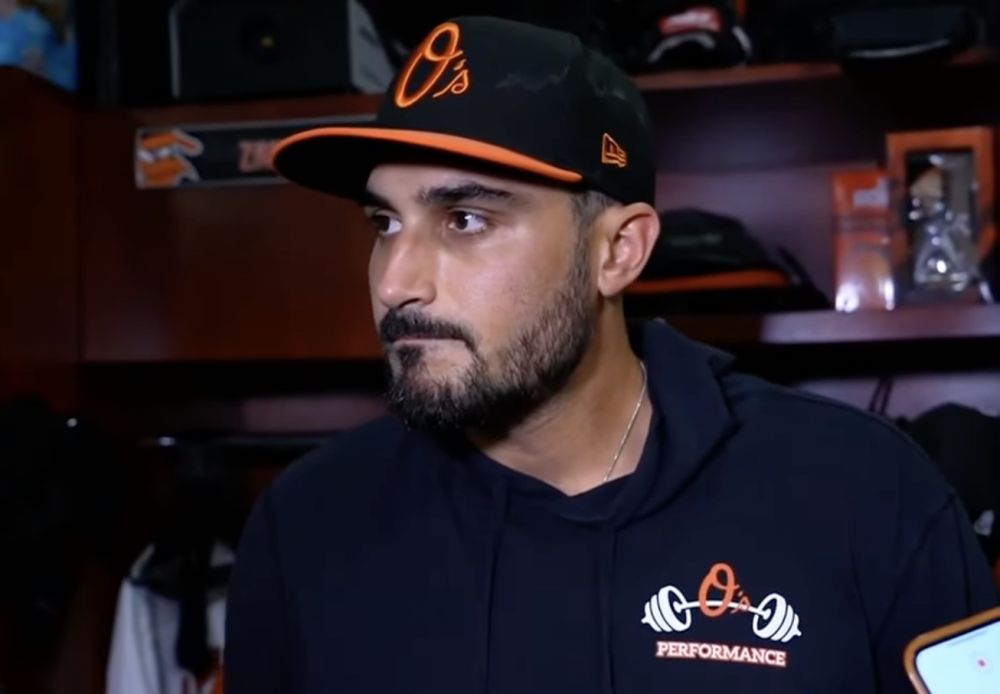
Orioles pitcher Zach Eflin exits Tuesday's start, likely to go on IL with elbow discomfort
The 31-year-old was making his first start since undergoing back surgery last August.
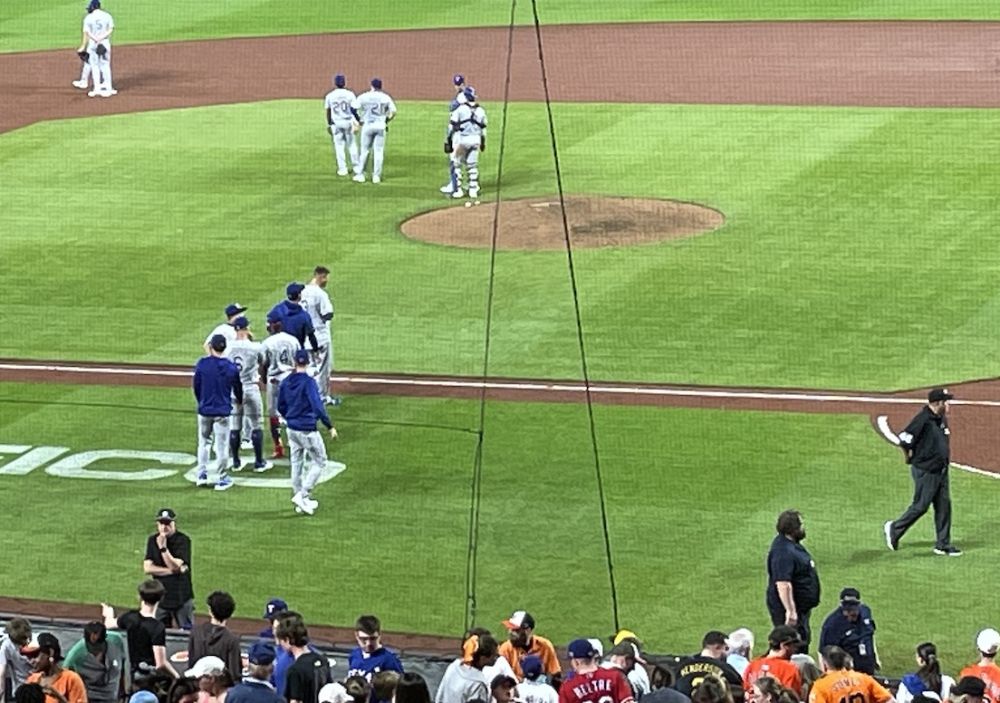
Following Eflin injury, Orioles bullpen battered in 8-5 loss to Texas
Baltimore's bullpen allowed seven earned runs after Zach Eflin exited with elbow discomfort in the fourth inning.
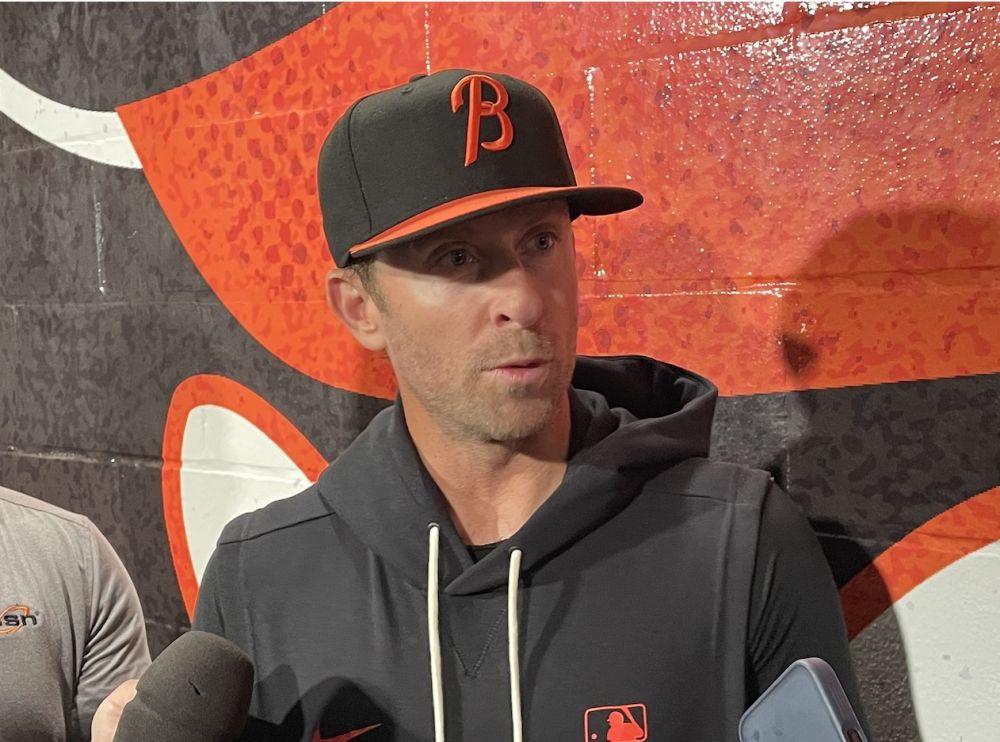
Orioles bullpen seeing plenty of work in season’s early days
The Baltimore bullpen threw a whopping 184 pitches Sunday and Monday, but there have been early bright spots.
888