The Ravens recorded the best regular season in franchise history, but where did their individual players stack up across the NFL in 2019?
Whether it’s discussing the Pro Bowl — Baltimore had a record-tying 13 selections — or determining postseason awards, media and fans spend much time debating where players rank at each position, but few watch every player on every team closely enough to form any real authoritative opinion.
Truthfully, how many times did you watch the Tampa Bay offensive line this season? What about the Atlanta Falcons linebackers or the Detroit Lions cornerbacks?
That’s why I respect the efforts of Pro Football Focus while acknowledging their grading is far from the gospel of evaluation. I don’t envy the exhaustive effort to evaluate players across the league when most of us watch one team or maybe one division on any kind of a regular basis.
We’ll look at each positional group on the roster in the coming days, but below is a look at where Ravens running backs ranked across the NFL this past season followed by the positional outlook going into 2020:
Safeties
Mark Ingram
2019 offensive snap count (including postseason): 532
PFF ranking: eighth among running backs
Skinny: The Ravens couldn’t have asked for more in the first season of a three-year, $15 million contract as Ingram became the first Baltimore running back to rush for 1,000 yards since 2014 and was selected to his third career Pro Bowl. Not only was Ingram terrific as a rusher at 5.0 yards per carry, but he provided veteran leadership for a very young offense and excelled in pass protection.
Gus Edwards
2019 offensive snap count (including postseason): 415
PFF ranking: 29th among running backs
Skinny: The 238-pound back was always going to have a reduced role from the moment Ingram signed last March, but he still improved his yards per carry to 5.3 in his second season. Though not the well-rounded back that Ingram is, Edwards picked up a first down on 34.6 percent of his carries, easily making him one of the best short-yardage options in football last season.
Justice Hill
2019 offensive snap count (including postseason): 237
PFF ranking: n/a
Skinny: The rookie shows good speed and agility, but he saw no more than 22 offensive snaps in a game until playing 50 in the playoff loss with Ingram ailing and the Ravens down multiple scores in the second half. You’d like to see Hill get more opportunities in his second year, but there’s only one football to go around with two stout backs ahead of him and 1,200-yard rusher Lamar Jackson at quarterback.
Patrick Ricard
2019 offensive snap count (including postseason): 349
PFF ranking: first among fullbacks
Skinny: An afterthought as a healthy scratch by the end of 2018, the hybrid defensive lineman became the best pure blocking fullback in the league this past season, earning a trip to the Pro Bowl and a contract extension through 2021. Ricard’s ability to play on defense as well as to line up at fullback, tight end, or as an extra offensive lineman will continue to make him valuable to the game-day roster.
2020 positional outlook
With a record-setting offense running an NFL-high 54 percent of the time in 2019, the Ravens are always on the lookout for ways to strengthen their offensive backfield, especially if a dynamic talent slips to them in April’s draft. However, the trio of Ingram, Edwards, and Hill matched with an MVP dual-threat quarterback leaves the running game in very strong shape going into 2020. His age suggests Baltimore should keep an eye on Ingram as he enters his 10th NFL season, but this past year marked just the fourth time he’s cracked 200 carries, meaning he’s arguably fresher than the typical 30-year-old running back and also no stranger to a backfield timeshare if Edwards and Hill getting more touches proves to be optimal for 2020. The Ravens may not duplicate their NFL-record 3,296 rushing yards, but Ingram and Edwards offer a high floor, Hill brings a higher ceiling, and Jackson has the generational ability to continue making this the best running game in football by a wide margin.



 8
8


 88
88 8
8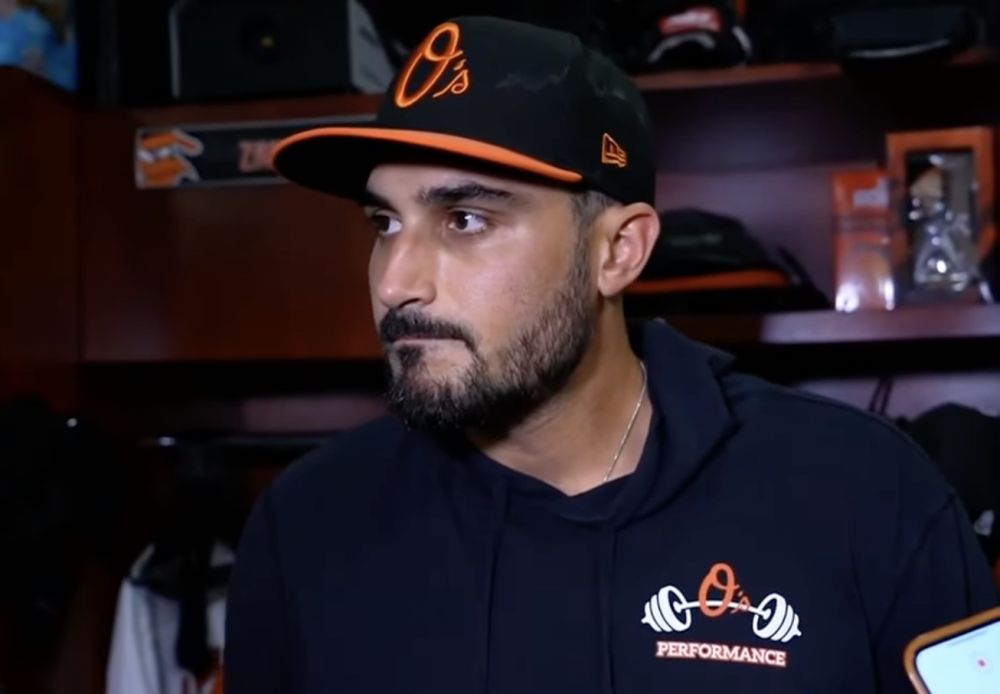
Orioles pitcher Zach Eflin exits Tuesday's start, likely to go on IL with elbow discomfort
The 31-year-old was making his first start since undergoing back surgery last August.
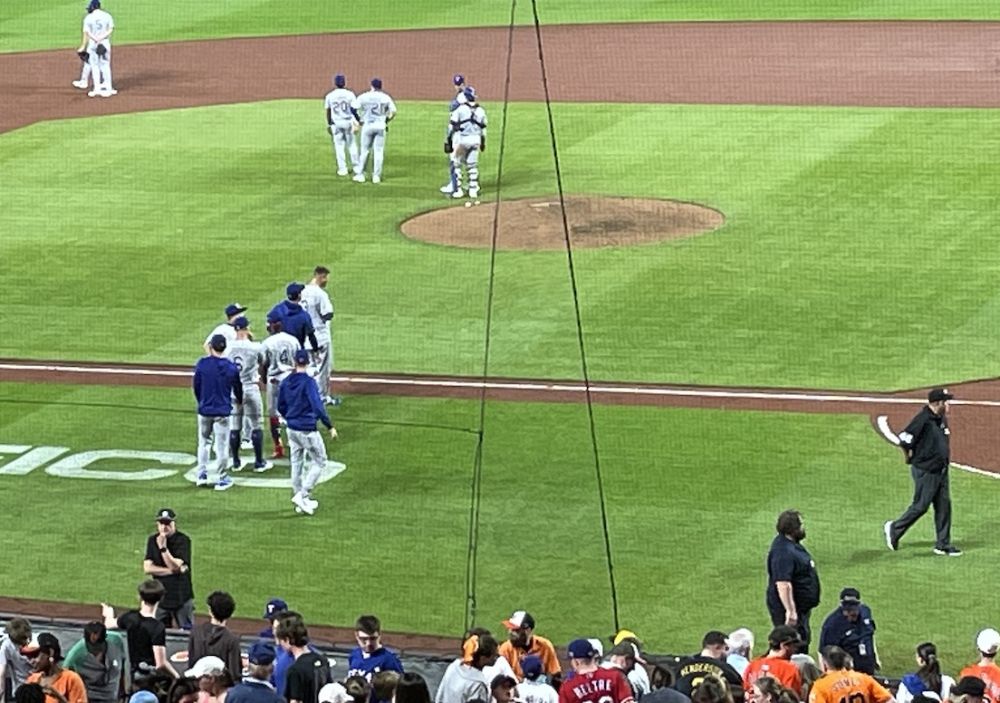
Following Eflin injury, Orioles bullpen battered in 8-5 loss to Texas
Baltimore's bullpen allowed seven earned runs after Zach Eflin exited with elbow discomfort in the fourth inning.
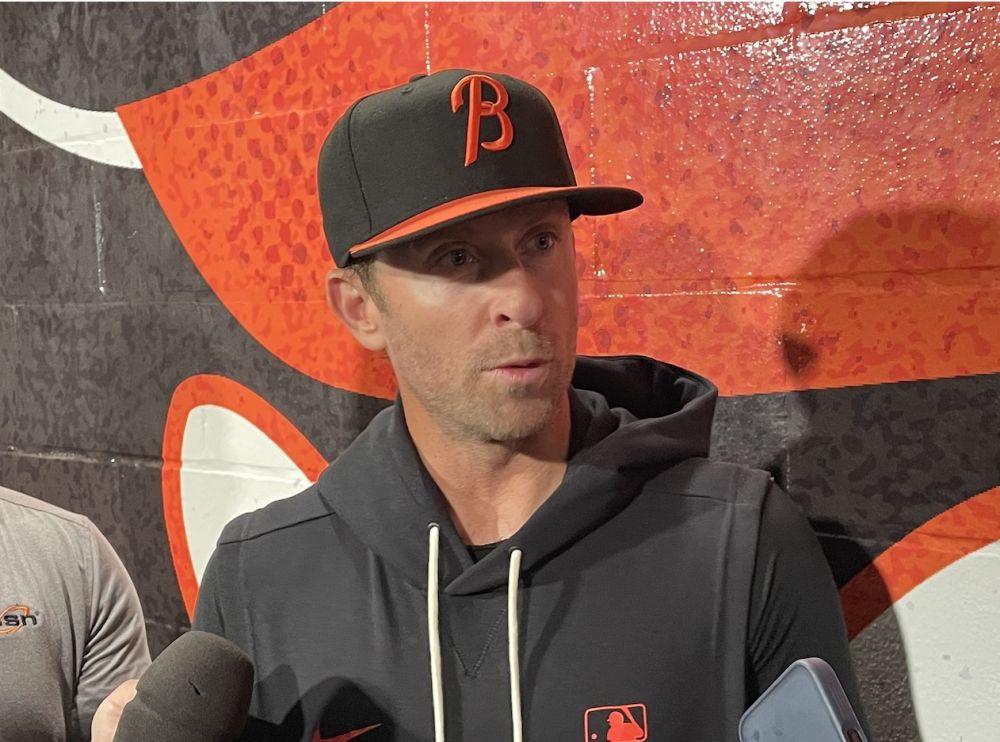
Orioles bullpen seeing plenty of work in season’s early days
The Baltimore bullpen threw a whopping 184 pitches Sunday and Monday, but there have been early bright spots.
888