After more than a year of debate, the NFL officially changed the extra point at its spring meetings in San Francisco on Tuesday.
Citing an ever-increasing success rate that’s made the extra point an automatic play, the league has elected to move kicking tries from the 2-yard line to the 15, transforming a 20-yard kick into what will now be an attempt from 33 yards. Two-point tries will remain at the 2, but opposing defenses will now have the ability to return failed kicks or turnovers on two-point attempts for their own two-point play, copying the collegiate rule.
To no one’s surprise after being quite vocal about the potential tinkering with the kicking game, Ravens kicker Justin Tucker didn’t offer a ringing endorsement to the team’s official website about the changes on Tuesday afternoon. It’s understandable not to celebrate a decision that will make his job more difficult, but the 2013 Pro Bowl kicker has never missed a kick from within 37 yards, which should give him a distinct advantage over most kickers in the NFL.
How dramatically will the new extra-point rules impact the game?
The league hopes such a change will prompt more two-point attempts, but I remain skeptical considering the ultraconservative nature of most NFL head coaches. The ability of the defense to return a point-after try for two points is an overdue change that could bring some excitement, but even that only figures to come into play a handful of times per season in the entire league.
Beyond the initial novelty, I don’t expect the game to change all that much as kickers converted 95.8 percent of field goals from 30-34 yards last season. According to the Wall Street Journal, this will essentially take the NFL extra point back to the success rate of the 1980s when the play was — you guessed it — not at all exciting, either.
Was the old extra point too easy and boring? Sure.
Was it something that was bothering my viewing experience? Not even a little.
If we’re truly interested in eliminating boredom from the game, the countless media timeouts are a much bigger problem, but, of course, there’s never any mention of that.
Will the new extra point still be too easy and boring? Most likely.
It won’t ruin my viewing experience, but this has felt more like change for the sake of change all along.



 8
8 88
88 8
8
Mussina: Pitching in on why the new ABS rules in MLB make sense
Our all-time favorite brother-of-a-Hall-of-Famer Mark Mussina returns to begin another baseball season but this one has been greatly altered – and improved – by "the system" getting the calls right. Moose joins Nestor to discuss umpiring, the strike zone and the new ABS rules in MLB and why it's quickly become hailed as one of the greatest improvements in the game in a generation.
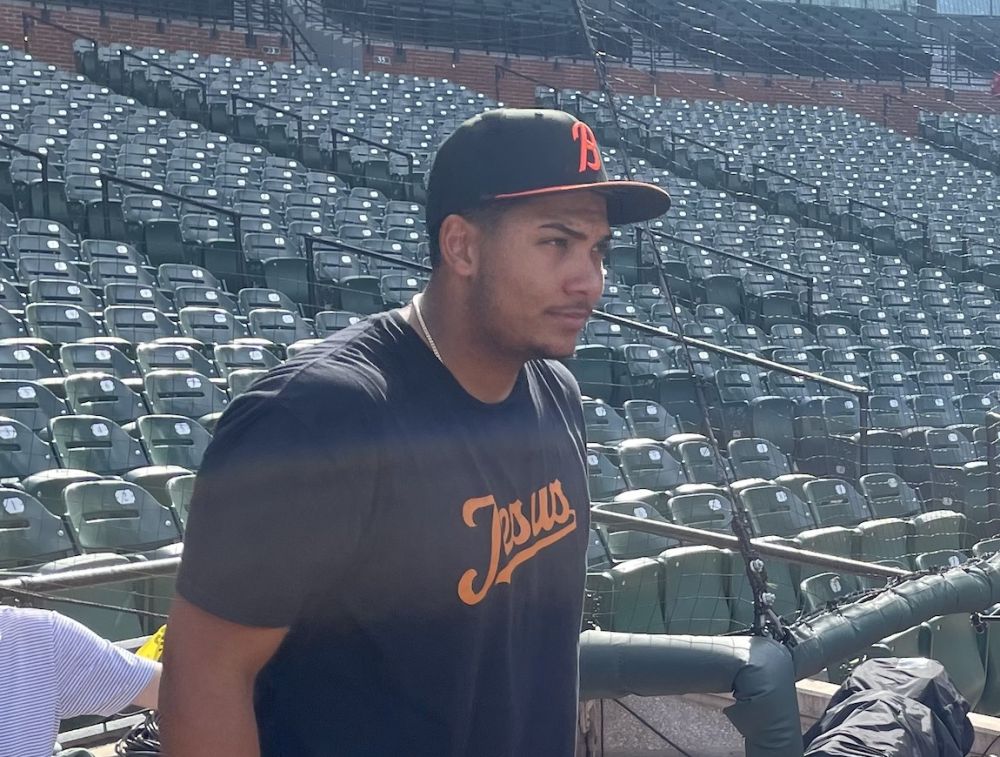
Twelve Orioles Thoughts following series loss to Texas and 3-3 homestand
Samuel Basallo's long home run helped cap the homestand with a win on Wednesday afternoon.
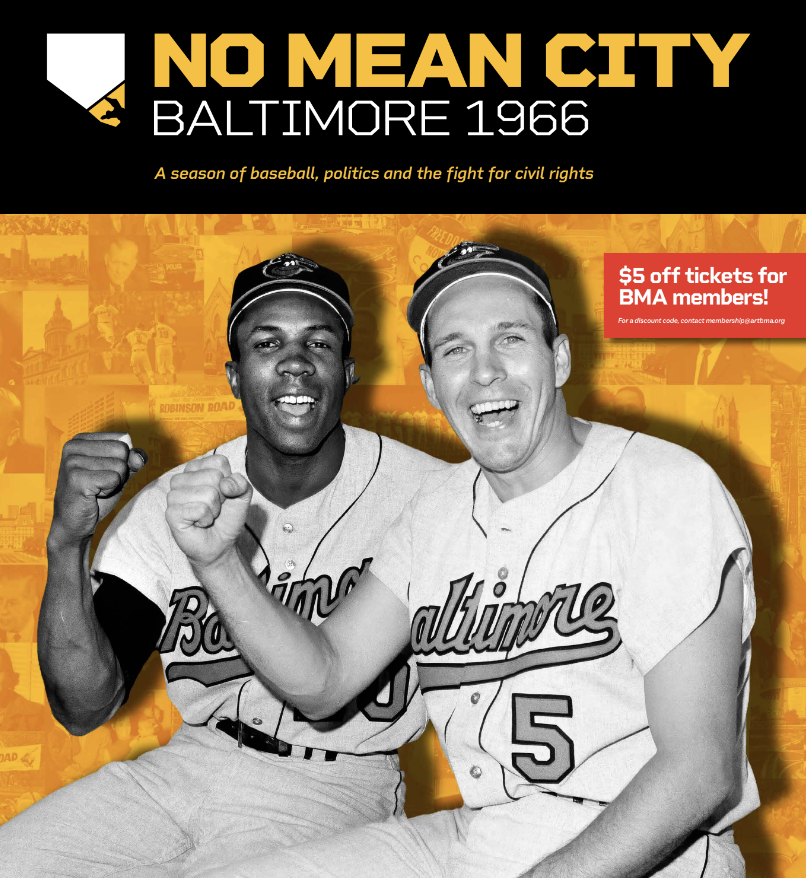
Running back the success and impact of 'No Mean City: Baltimore 1966" with Dan Rodricks
If you missed the sold-out run of local newspaper legend Dan Rodricks' amazing play, "No Mean City: Baltimore 1966," it looks like you'll have another chance next year. The incredible success and rave reviews brought the longtime Baltimore columnist back to chat with Nestor about his observations about the time, place, baseball and storylines in our city that haven't aged – or changed – in some ways over the past 60 years.
888